















Harvard Apparatus Treats First Patient With Esophageal Implant at Mayo Clinic
The Phase 1 trial milestone could position regenerative medicine as a less invasive alternative to traditional esophageal reconstruction surgery.
April 29, 2026

Harvard Apparatus Regenerative Technology, Inc. (OTCQB: HRGN) announced on April 27, 2026 that the first patient has been treated with its Cellspan Esophageal Implant as part of a Phase 1 feasibility and safety study at the Mayo Clinic in Rochester, Minnesota. The Holliston, Massachusetts-based clinical-stage biotechnology company described the procedure as a meaningful advancement in its mission to bring regenerative solutions to patients with severe esophageal disease.
Addressing an Unmet Medical Need
Life-threatening esophageal conditions, including severe strictures, remain a difficult clinical challenge. Existing treatment options are limited and often involve highly invasive surgeries with significant morbidity. The Cellspan platform is designed to harness the patient’s own regenerative capacity, offering a potential alternative to conventional surgical reconstruction.
Inside the Phase 1 Trial
Conducted under an FDA-approved investigational new drug application, the Phase 1 study will enroll up to ten patients across three activated clinical sites:
- The Mayo Clinic
- The University of Michigan Medical Center
- The University of Southern California in Los Angeles
The trial’s primary endpoint is the establishment of a continuous biological neoconduit, or tube, by three months after surgery. A key secondary endpoint will assess the development of a mucosal lining in the esophagus at twelve months post-implantation.
How the Implant Works
The Cellspan Esophageal Implant is a combination product that integrates a modified polyurethane tubular CellFrame mesh scaffold with the direct delivery of live autologous adipose-derived mesenchymal stromal cells. The scaffold offers temporary support during the initial tissue growth phase and is subsequently removed endoscopically between 21 and 42 days after implantation.
Leadership and Partner Acknowledgments
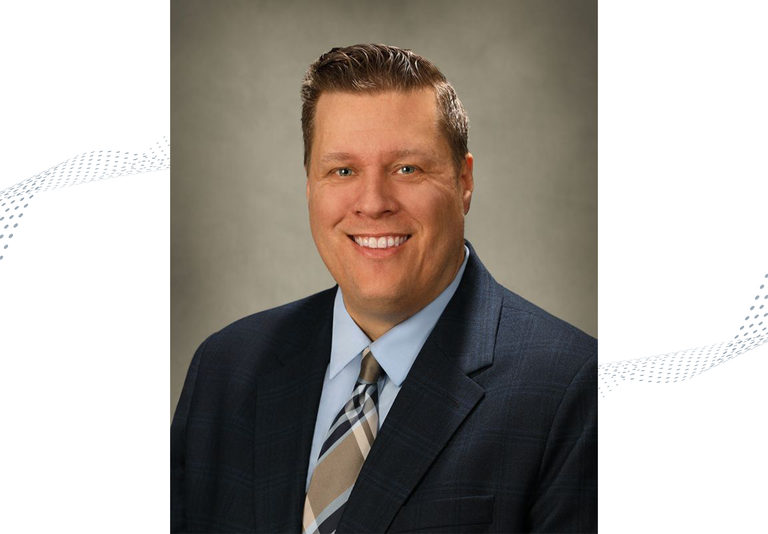
Chief Executive Officer Jerry He characterized the first patient treatment as a defining moment for the company and for the broader regenerative medicine field, citing years of scientific rigor and clinical preparation. Vice President of Business Development and Operations Sean Hu credited the operations team for coordinating manufacturing, quality, and logistics functions to meet rigorous safety standards. The company also recognized IQVIA Biotech for its project management, site activation support, and operational execution throughout the trial.
Clinical and Intellectual Property Background
Harvard Apparatus Regenerative Technology has earlier experience with esophageal regeneration. In August 2017, the company conducted what it describes as the world’s first successful esophageal regeneration in a cancer patient, performed by Dr. Dennis Wigle, Chair of Thoracic Surgery at the Mayo Clinic. Those results were published in 2021.
The company’s intellectual property portfolio includes 13 issued U.S. patents, along with patents granted in China, Japan, and Europe. It also holds two U.S. orphan drug designations, which can provide seven years of post-approval market exclusivity, and one European orphan drug designation, which can provide ten years of post-approval exclusivity.