














Sealy Industrial Partners IV Navigates Shifting Financial Landscape In Q1
Higher rental income is offset by rising interest costs as the partnership implements new asset management strategies.
May 7, 2026

Earnings and Operational Performance
During the first three months of the year, the organization saw its total revenue rise to ten million two hundred thousand dollars. This marks a substantial improvement from the seven million seven hundred thousand dollars generated during the same timeframe in the previous fiscal year. The increase was primarily driven by rental income from its industrial assets. However, the rise in income was met with a corresponding increase in operating costs, which totaled ten million six hundred thousand dollars for the period. These costs included significant expenditures for property maintenance, taxes, and asset management fees paid to the general partner.
Impact of Financing and Interest Rates
The financial results were heavily influenced by a sharp increase in interest-related expenses. The company reported that interest costs exceeded two million five hundred thousand dollars, which is a considerable jump from the seven hundred ninety-two thousand dollars recorded a year earlier. This surge in debt-servicing costs led to a net loss of two million three hundred thousand dollars for the quarter. This translates to a loss of fifty-nine cents for each unit held by limited partners. Management noted that these results are not necessarily a predictor of the performance expected for the remainder of the calendar year.
Strategic Asset Transition in Indiana
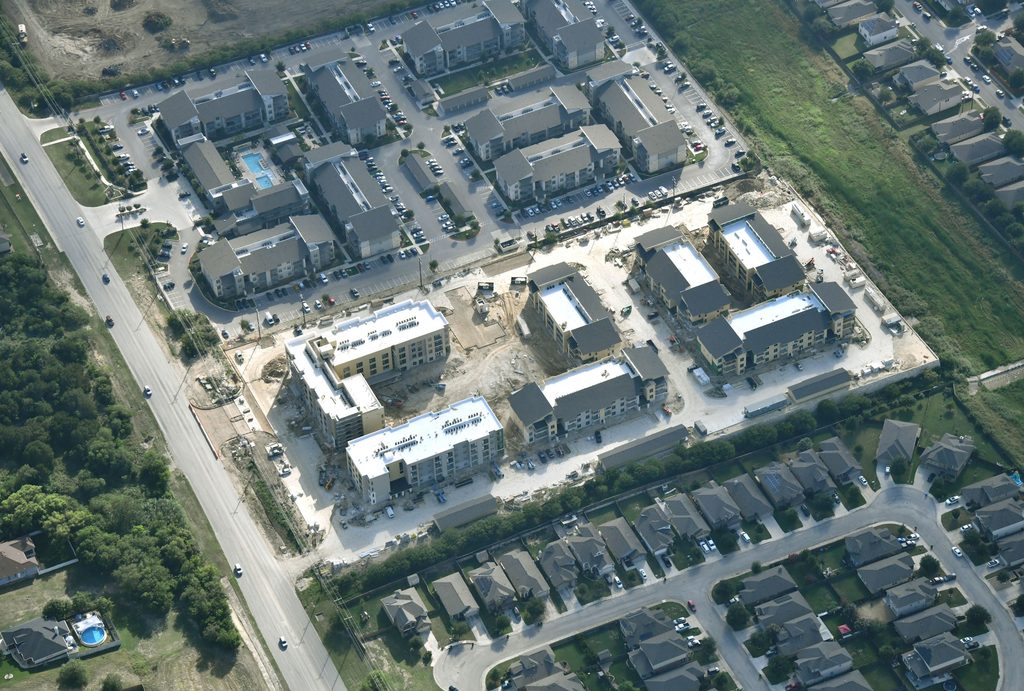
A major development during the quarter involved the restructuring of a property located in Anderson, Indiana. The partnership transitioned this three hundred and three thousand square foot industrial facility into a trust structure known as a Delaware Statutory Trust. This reorganization allowed for the launch of a private placement offering aimed at raising approximately forty million dollars from accredited investors. By utilizing this structure, the firm can manage the property through its affiliates while offering beneficial interests to external participants. This strategy reflects a broader move toward diversifying investment structures within the portfolio.
Capital Raising and Distribution Policies
The partnership remains active in its efforts to secure new capital through an ongoing private offering. This offering allows for the issuance of multiple classes of units to investors, with an ultimate fundraising target that could reach one billion dollars. As of late April, the total number of units issued stood at more than four million. Regarding distributions, the firm allocated nearly four million dollars to its partners during the quarter. While the cash generated from current operations covered roughly thirty-five percent of these distributions, the remaining portion was funded using cash reserves from previous operating periods.
Portfolio Stability and Future Outlook
The entity currently holds a portfolio concentrated in the Southern and Midwestern regions of the country. With thirty-three distinct tenants, the firm faces some concentration risk, as one major tenant accounts for over eleven percent of the total rental revenue. Nevertheless, the company reports that it has not suffered losses due to this geographic or tenant concentration. Looking ahead, the partnership plans to continue its search for income-producing industrial properties. Future success will depend on the ability to manage debt effectively and adapt to changes in the broader economic environment, particularly regarding interest rates and occupancy levels.