














Strategic Student & Senior Housing Trust Posts Narrower Loss
The non-traded REIT’s revenue gains are offset by suspended distributions, growing affiliate obligations, and over $100 million in debt due in 2028.
March 23, 2026

Revenue Climbs but Bottom Line Remains Red
Strategic Student & Senior Housing Trust, Inc., a non-traded real estate investment trust focused on senior housing, reported a net loss of approximately $4.3 million from continuing operations for the fiscal year ended December 31, 2025, according to its annual report filed with the Securities and Exchange Commission. While the loss narrowed compared to the prior year’s $5.7 million shortfall from continuing operations, the company continues to face significant financial headwinds, including suspended shareholder distributions, a frozen share redemption program, and over $100 million in debt maturing in 2028.
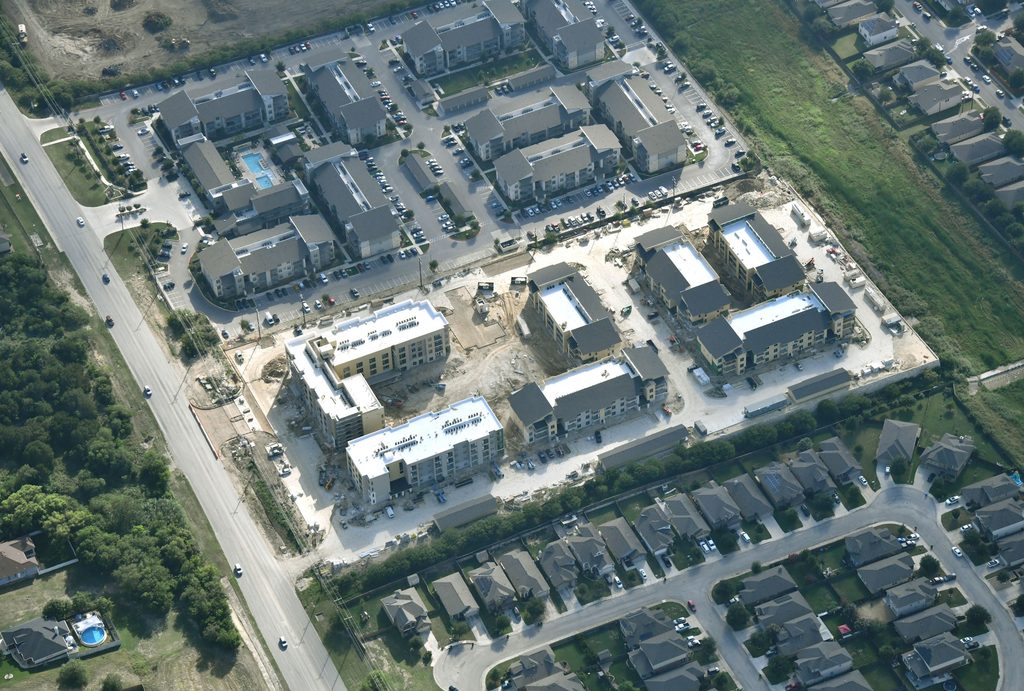
The Maryland-based REIT, which maintains its principal offices in Irvine, California, now owns just four senior housing properties — three in Utah and one in Oregon — after selling its sole remaining student housing asset in Fayetteville, Arkansas, in July 2024. That sale, which closed at $72.25 million, generated a net gain of roughly $27.6 million and allowed the company to repay approximately $59.9 million in associated debt. The disposition marked the company’s complete exit from the student housing sector.
Senior Housing Portfolio Delivers Stronger Performance
Leasing and related revenues from the company’s four continuing senior housing properties rose to approximately $37.7 million in 2025, up from $34.9 million the prior year. The company attributed the roughly $2.8 million increase primarily to higher rental rates and improved occupancy across its portfolio. As of year-end, the four properties maintained a combined occupancy rate of 95.8 percent across 604 units, with average monthly revenue per unit reaching $5,523.
Property operating expenses also climbed, reaching approximately $26.6 million compared to $25.6 million in 2024, driven largely by costs tied to the higher occupancy levels. General and administrative expenses ticked up to $2.5 million from $2.2 million, with the increase attributed to higher transfer agent and legal costs. The company transitioned its transfer agent function from an affiliate-controlled entity to a third-party provider in January 2025.
Distributions Remain Suspended Since 2020
One of the most pressing concerns for shareholders is the continued suspension of cash distributions, which the board halted in March 2020 amid uncertainty surrounding the COVID-19 pandemic. No regular distributions have been paid since the first quarter of 2020, though the company did make a special one-time capital gain distribution of approximately $3.2 million — or $0.24 per share — in late 2024 following the Fayetteville property sale.
The company’s accumulated deficit stood at approximately $68.1 million as of December 31, 2025. From inception through year-end, the REIT paid cumulative distributions of roughly $20.5 million against cumulative net losses attributable to common stockholders of approximately $68.1 million.
Estimated Share Value Holds Steady
In January 2026, the board approved an estimated net asset value of $6.37 per share across all five classes of common stock, a modest increase from the $6.35 per share valuation established the prior year. The valuation was based on September 30, 2025 data and was prepared with the assistance of Kroll, an independent valuation firm. The total appraised midpoint value of the company’s four properties was approximately $209.6 million, representing a 16.1 percent increase over their aggregate purchase and development price of roughly $180.5 million.
Kroll employed a discounted cash flow methodology with weighted average terminal capitalization rates of approximately 7.09 percent and discount rates of roughly 8.59 percent. The company cautioned that the estimated value does not represent liquidation value, fair value under generally accepted accounting principles, or a price at which shares would trade on a public exchange.
Debt Maturity and Liquidity Pressures
The company’s total indebtedness stood at approximately $102.7 million as of year-end, all of which is fixed-rate debt carrying a weighted average interest rate of 4.94 percent. The vast majority of this debt — roughly $98.7 million — matures in 2028, presenting a significant refinancing challenge. Annual debt service, including interest, totals approximately $7 million per year through maturity.
Cash and cash equivalents declined to approximately $3 million from $10.7 million the prior year, though the company invested roughly $5.4 million in short-term U.S. Treasury securities. The company generated positive cash flow from operations of approximately $3.2 million in 2025, a sharp improvement from negative operating cash flow of $5.3 million in 2024.
Affiliate Fees Continue to Accumulate
Amounts owed to the company’s advisor and affiliated entities totaled approximately $14.4 million as of December 31, 2025, up slightly from $14.3 million a year earlier. These obligations include accrued asset management fees, property management oversight fees, and acquisition-related expenses. The company’s advisor receives a monthly asset management fee equal to one-twelfth of 0.8 percent of average invested assets, while an affiliated property manager accrues oversight fees of 1.5 percent of gross revenues.
The company also disclosed that approximately $9.1 million in cumulative preferred distributions remain payable to a subsidiary of its sponsor, which holds approximately $10.2 million in preferred units carrying a 9 percent annual distribution rate that ranks senior to all common equity interests.
No Clear Path to Liquidity
The REIT acknowledged that there is currently no public trading market for its shares and noted that its charter does not require it to pursue a liquidity event at any time. While the company had initially intended to pursue a listing, merger, or asset sale within three to five years after terminating its public offering, it stated that the timing of any such event remains highly uncertain.
The share redemption program remains suspended, and with the primary offering having terminated in May 2021, the REIT has no current mechanism to raise additional equity capital. The company stated it is focusing on managing its existing four-property portfolio and evaluating options to maximize stockholder value. As of March 2026, approximately 13.1 million shares were outstanding, held by roughly 1,600 shareholders of record.