








Qualified Opportunity Fund (QOF)

A Qualified Opportunity Fund (QOF) is a corporation or partnership organized to invest in Opportunity Zone property and self-certified with the IRS for that purpose. All Opportunity Zone tax benefits flow exclusively through QOFs — an investor cannot buy zone real estate directly and claim the incentives.

How QOFs work

A QOF self-certifies by filing Form 8996 with its tax return and must hold at least 90% of its assets in qualified Opportunity Zone property, tested twice yearly, with penalties for shortfalls. In practice most QOFs use a two-tier structure: the fund invests in one or more Qualified Opportunity Zone Businesses (QOZBs), which own the projects — a design that unlocks more flexible working-capital safe harbors for multi-year developments.

The investor-side mechanics are strict. Only realized capital gains qualify for the benefits, and they must be invested in the QOF within 180 days of recognition (with special timing rules for gains flowing through partnerships and K-1s). The investor elects deferral on their return; the fund’s job is maintaining qualification so the benefits hold.

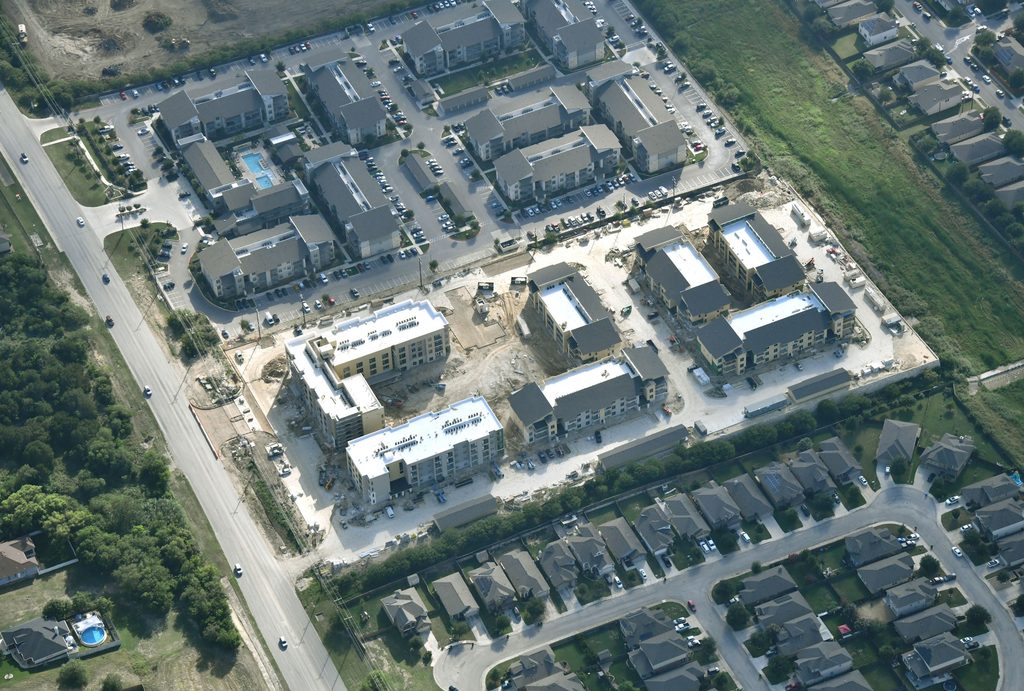
Property standards give the program its development character. Qualifying property must be acquired after designation, used substantially within a zone, and either put to original use there or substantially improved — historically, improvements exceeding the building’s acquisition basis within 30 months. Land banking and passive acquisition of existing income property don’t qualify; building and transforming do.

What changed for funds under OZ 2.0

For investments made on or after January 1, 2027, funds operate under the revised regime: deferred gains recognize on a rolling five-year clock per investment, the five-year basis step-up is 10%, and a new fund category — the Qualified Rural Opportunity Fund (QROF), holding at least 90% of assets in rural-zone property — carries a 30% step-up and a substantial-improvement threshold cut to 50%. New zone maps take effect the same day, drawn under stricter low-income definitions, so a project location that qualified under the 2018 map may not qualify under the new one — a diligence point for any fund raising across the transition. Enhanced annual reporting requirements, with real penalties, also arrive for funds and their zone businesses.

Sponsor evaluation carries the usual weight, plus program-specific items: compliance track record on the 90% test, working-capital safe harbor management for developments, realistic ten-year business plans (the exclusion benefit requires the decade), interim liquidity expectations (typically none), and how the fund handles the recognition events — including, for OZ 1.0 vehicles, investor tax obligations at the December 31, 2026 cliff, which may arrive without matching distributions.

FAQ

What is a Qualified Opportunity Fund?

The IRS-certified corporation or partnership through which all Opportunity Zone investing must flow. It must keep 90% of assets in zone property and files Form 8996 annually to certify compliance.

How long do I have to invest a gain in a QOF?

Generally 180 days from recognizing the capital gain, with modified windows for gains allocated through partnerships.

What is the 90% asset test?

A twice-yearly requirement that at least 90% of the fund’s assets be qualified Opportunity Zone property. Failing it triggers monthly penalties rather than automatic disqualification, but chronic failure undermines investor benefits.

What's a Qualified Rural Opportunity Fund?

A new OZ 2.0 category investing at least 90% of assets in rural-zone property, rewarded with a 30% basis step-up at five years (versus 10%) and a 50% substantial-improvement threshold.

Opportunity Zone (OZ) · Schedule K-1 · GP / LP Structure · Capital Call · Stepped-Up Basis

Educational content only; not investment, tax, or legal advice. Consult qualified professionals regarding your specific circumstances.

Subscribe to our Newsletter