



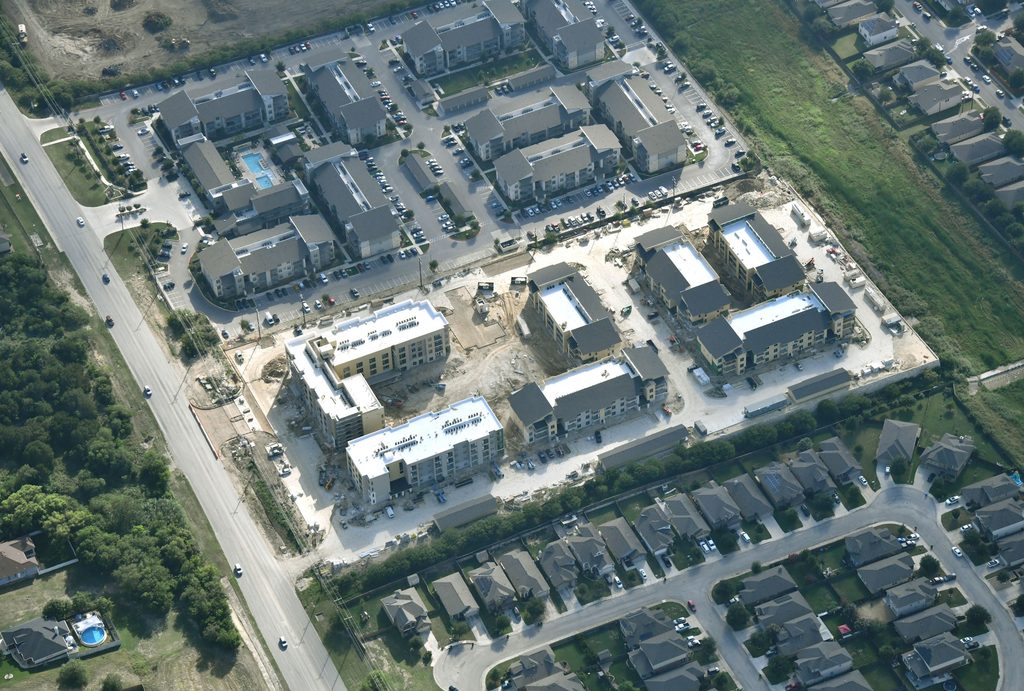









The EB-5 Immigrant Investor Program grants eligibility for U.S. permanent residency (a green card) to foreign nationals who invest in a U.S. business that creates at least ten full-time American jobs. The required investment is currently $800,000 in a targeted employment area or infrastructure project, and $1,050,000 elsewhere.
How EB-5 works
Created in 1990 and overhauled by the EB-5 Reform and Integrity Act of 2022 (RIA), the program exchanges at-risk capital for an immigration pathway. The investor places the qualifying amount into a new commercial enterprise, files a petition (Form I-526/I-526E), and — upon approval and visa availability — receives conditional residency for the investor, spouse, and unmarried children under 21. After roughly two years, proving that the investment was sustained and the ten jobs were created removes the conditions and confers full permanent residency.
Two pathways exist. Standalone investors run or directly invest in their own job-creating business, counting only direct employees. The dominant route is the regional center program: investors pool capital into sponsored projects — very often real estate development — and may count indirect jobs demonstrated through economic modeling, which is what makes passive investment feasible. Regional center offerings are securities, typically structured as private placements with a PPM, a GP/LP or loan structure, and multi-year horizons — which is why EB-5 sits inside the alternatives world: the deals are real estate and private credit transactions with an immigration payoff attached.
The targeted employment area (TEA) discount drives project geography: rural areas and high-unemployment tracts qualify at $800,000 versus $1,050,000, and the RIA reserves visa set-asides — 20% for rural, 10% for high-unemployment, 2% for infrastructure — that can mean materially faster processing, particularly valuable to investors from backlogged countries. Rural projects, with both the discount and the largest set-aside plus priority processing, have become the program’s most sought-after category.
The 2026–2027 timing everyone in EB-5 is watching
Two dates dominate current planning. September 30, 2026 is the RIA’s grandfathering deadline: petitions properly filed by then are processed to completion under current rules and amounts even if the regional center program later lapses or thresholds rise. January 1, 2027 brings the first statutory inflation adjustment — the $800,000/$1,050,000 minimums are expected to rise (projections cluster around $900,000/$1.2 million, with final figures set by DHS from CPI data), and the regional center authorization itself currently runs through September 30, 2027. The practical takeaway is compressed decision timelines through 2026, and a diligence environment where speed pressure and salesmanship deserve extra skepticism, not less.
The underwriting reality: EB-5 capital is legally required to be at risk — no guaranteed return or repayment — and investors face two stacked risks: immigration risk (jobs not created, project or center non-compliance, petition denial) and investment risk (the project simply failing). Source-of-funds documentation is exhaustive; regional center administrative fees add meaningfully to the check; and repayment typically arrives, if it arrives, on a three-to-seven-year loan horizon. The RIA added integrity measures — audits, fund administration, disclosure requirements — after a history of high-profile frauds, but sponsor quality remains the variable that determines outcomes on both risk stacks.
FAQ
How much do you need to invest for an EB-5 visa?
Currently $800,000 for projects in targeted employment areas (rural or high-unemployment) or qualifying infrastructure projects, and $1,050,000 otherwise — amounts scheduled to adjust for inflation beginning January 2027.
What is a regional center in EB-5?
A USCIS-designated sponsor that pools EB-5 investments into projects and may count indirectly created jobs — the structure behind roughly nine of ten EB-5 investments, and the passive route for investors.
Does an EB-5 investment guarantee a green card?
No. The petition must be approved, the jobs must materialize, and the investment must remain at risk — immigration and investment outcomes both depend substantially on the project and sponsor.
Why does filing before September 30, 2026 matter?
Petitions filed by that date are grandfathered: processed under current rules and investment amounts regardless of later program changes, threshold increases, or a regional center lapse.
Related terms
Private Placement · Offering Memorandum / PPM · GP / LP Structure · Due Diligence · Exit Strategy
Educational content only; not investment, tax, or legal advice, and not immigration advice. Consult qualified professionals regarding your specific circumstances.