














Single-Family Rental (SFR)

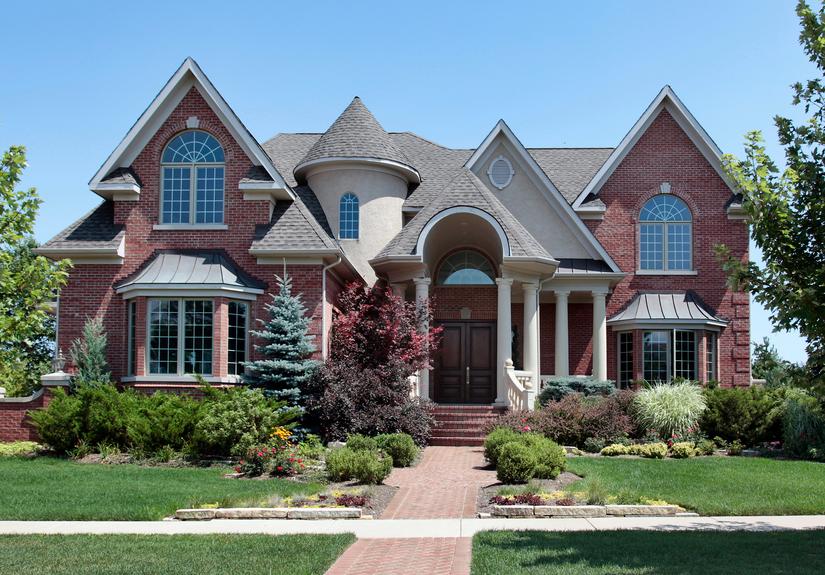
Single-family rental (SFR) is the ownership of houses as rental investments — an institutional asset class assembled after the 2008 foreclosure wave proved scattered homes could be operated at scale. It now spans public REITs, private funds, build-to-rent development, and the fractional platforms marketing houses to individual investors.

The asset class and its economics

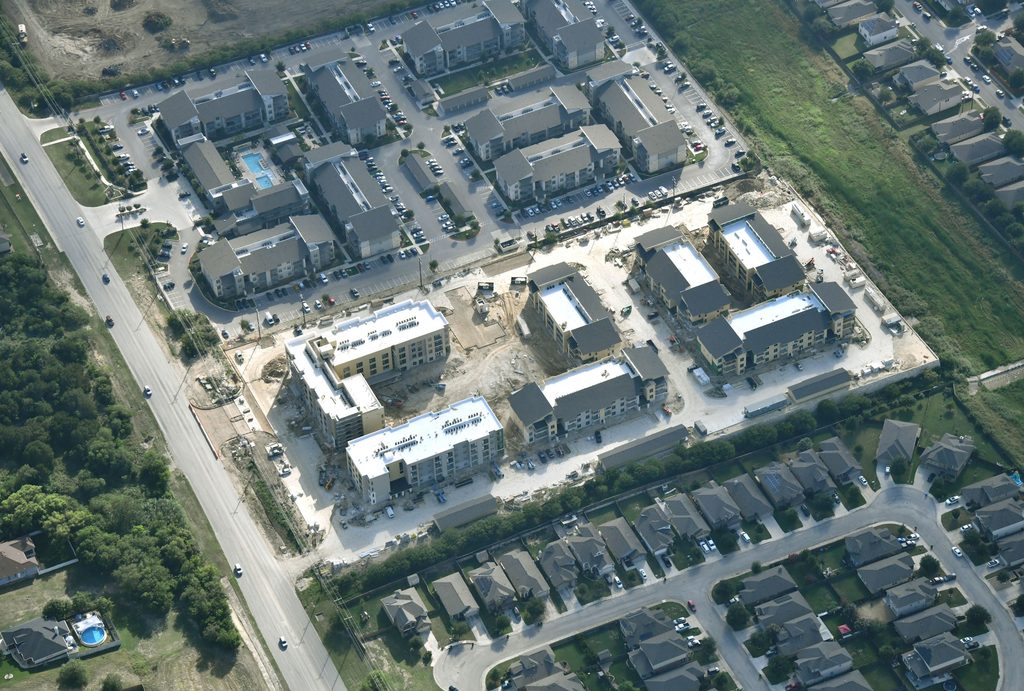
The operating model that made SFR institutional: technology-enabled management (centralized leasing, routing-optimized maintenance) across thousands of scattered homes, and — the newer half — build-to-rent (BTR): purpose-built rental-home communities that deliver single-family living with multifamily operating efficiency, now a major development category. The economic profile: demand anchored by household formation and the affordability gap (families priced out of buying rent the house instead — SFR demand strengthens when mortgages are expensive), longer tenant stays than apartments, but higher per-unit operating and capex intensity (roofs and HVACs come one house at a time) and dispersion across submarkets. Diligence lines for the wrappers advisors see — SFR sleeves in non-traded REITs, dedicated funds, DST offerings, and fractional platforms: occupancy and turnover economics, real capex reserves (underfunded reserves are the model’s classic flattery), market concentration, and the exit assumption — SFR carries a distinctive one, since houses can be sold to homeowners one at a time (retail exit liquidity other property types lack) or as portfolios to institutions, with pricing that differs between the two channels. The policy footnote worth acknowledging: institutional home ownership draws recurring political attention, and headline risk around the category is a real, if unquantifiable, input.

Non-Traded REIT · Occupancy Rate · Delaware Statutory Trust (DST) · Cap Rate · Net Operating Income (NOI)

Educational content only; not investment, tax, or legal advice. Consult qualified professionals regarding your specific circumstances.

Subscribe to our Newsletter